GUIDE
Indian Food Doesn’t Have to Be Spicy: Here’s What to Order
The 7 Monks Kitchen · October 2026
One of the biggest things I hear from people who haven’t tried much Indian food is:
“I’m scared it’s going to be too spicy.”
And I completely understand why.
Indian food has this reputation for being extremely hot.
Like every dish is going to make you sweat, cry, regret your decisions and reach for three glasses of water.
But that’s really not what Indian food is about.
Indian food uses a lot of spices.
That does not mean every dish has to be spicy.
There’s a big difference between spiced and spicy.
And once you understand that, Indian food becomes a lot less intimidating.
Spice Does Not Automatically Mean Heat
When I say Indian food is full of spices, I’m talking about things like cumin, coriander, turmeric, cardamom, cinnamon, cloves and garam masala.
Those spices build flavor.
They can make a dish earthy, warm, fragrant, smoky, rich or slightly sweet.
None of that automatically means your mouth is going to be on fire.
Chili is what usually adds heat.
And even then, how much is used depends on the dish, the recipe and the person cooking it.
So yes, Indian food can absolutely be spicy.
But it does not have to be.
Start With Butter Chicken
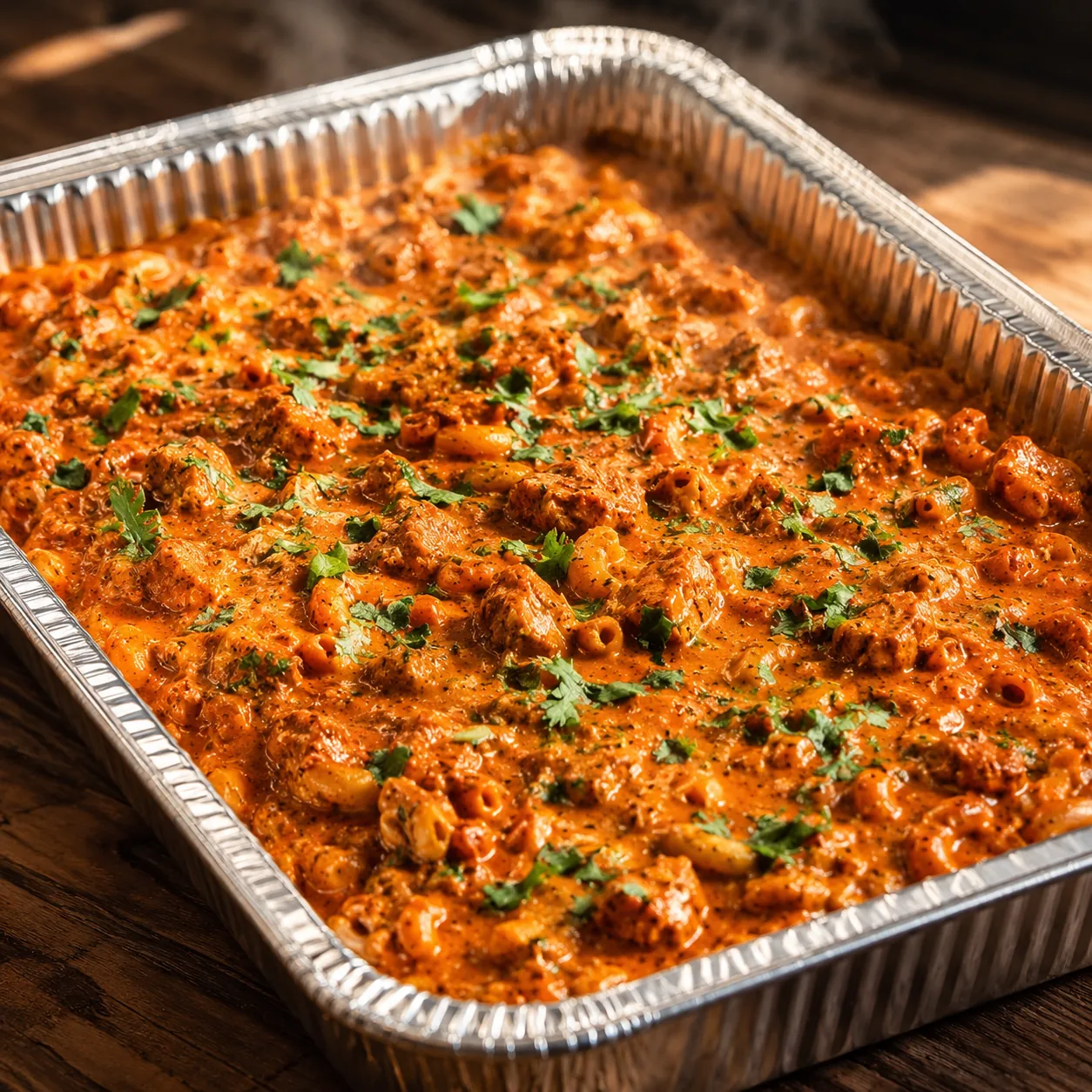
If you’re nervous about heat, butter chicken is usually one of the easiest places to start.
It’s creamy, rich and comforting.
The sauce has tomato, butter, cream and spices, but the overall flavor is usually much softer than people expect.
This is one of those dishes that makes people realize:
“Oh. This is what you meant by flavorful, not just hot.”
It’s warm and spiced without needing to punch you in the face with chili.
Chicken Tikka Masala Can Be a Good Next Step
Chicken tikka masala is another good option if you want something with a little more bold flavor.
It still has that creamy tomato base, but the spices tend to stand out more.
That doesn’t necessarily mean it’s hotter.
It just means the flavor can feel a little stronger and more layered.
If butter chicken feels very safe and familiar, tikka masala is an easy way to move one step further.
Naan Is Your Friend
If you’re worried about spice, get naan.
Actually, get naan even if you’re not worried about spice.
It’s soft, warm and perfect with curry.
It also helps balance out stronger flavors because you’re not eating every bite as pure sauce.
Take a little curry, scoop it up with naan, add some rice, and everything feels more balanced.
Also, I will never judge anyone for using naan to clean every last drop of sauce out of a bowl.
That’s what it’s there for.
Rice Helps Too
Basmati rice is another easy way to balance a meal.
It gives you something light and simple between bites of curry.
If you’re trying Indian food for the first time, I usually think it’s easier to eat the curry with rice or naan instead of just taking a giant spoonful of sauce on its own.
You get a little bit of everything together.
And if you accidentally order something with more heat than expected, the rice definitely helps.
Try Samosas
Samosas are another very easy entry point.
They’re crispy pastries filled with a savory potato and pea mixture.
The filling is spiced, but that doesn’t mean it has to be hot.
For someone who is nervous about trying Indian food, samosas usually feel pretty approachable because the texture and ingredients are familiar.
Crispy outside.
Potatoes inside.
Not a bad place to begin.
Mango Lassi Is Basically Your Insurance Policy
If you’re really nervous, order a mango lassi.
I’m only half joking.
A mango lassi is cold, creamy, sweet and made with yogurt and mango.
It’s great on its own, but it also happens to be really nice next to anything with a little heat.
Dairy can help calm down the burn from chili, which is why yogurt-based things pair so well with spicy food.
So if you’re someone who likes to be prepared:
Curry in one hand.
Mango lassi nearby.
You’ll be fine.
Ask How Hot Something Actually Is
This sounds obvious, but people are sometimes embarrassed to ask.
Please don’t be.
If you don’t like spicy food, just say so.
There is no prize for ordering the hottest thing on the menu.
And no, eating Indian food is not a test of how much chili you can survive.
I would much rather see someone enjoy a mild dish than force themselves through something they hate because they thought that’s how Indian food was “supposed” to be.
What Should You Order If You Really Don’t Like Heat?
If you want to keep things simple, I’d start with:
Samosas
Butter chicken
Basmati rice
Naan
Mango lassi
That gives you a mix of crispy, creamy, savory and sweet without making heat the focus of the meal.
Then once you get comfortable, you can start trying other dishes and figuring out which spices and flavors you actually like.
Indian Food Is About Flavor
I think this is the biggest thing I wish more people knew.
Indian food is not supposed to just taste hot.
You should be able to taste the cumin.
The coriander.
The tomato.
The garlic.
The ginger.
The cream.
The herbs.
The actual food.
Heat is only one part of the picture.
And if you don’t like spicy food?
That doesn’t mean Indian food isn’t for you.
It just means you need to start with the right dish.
MORE FROM THE KITCHEN